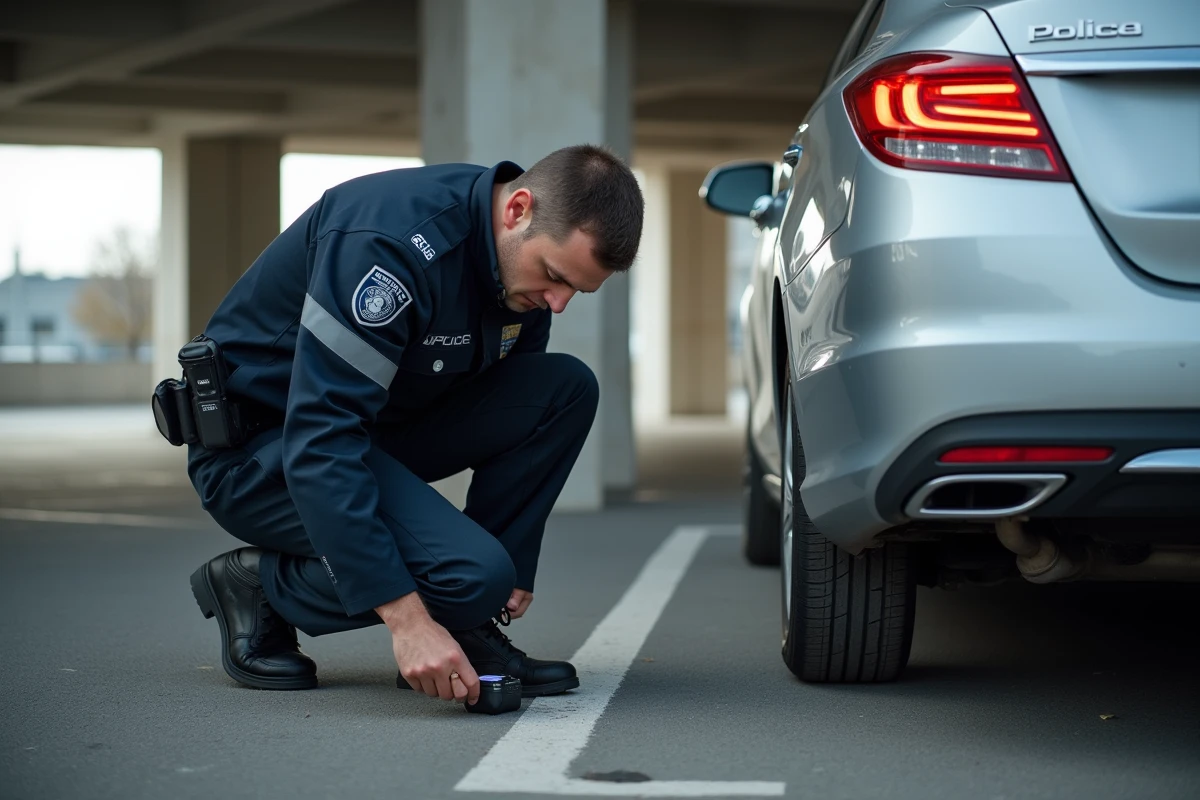
Locating a vehicle in the context of an investigation relies on a precise legal arsenal, codified in articles 230-32 and following of the Code of Criminal Procedure. These provisions govern the real-time geolocation of an object or person, whether through a GPS tracker placed on a vehicle, by exploiting data from an onboard phone, or by requisitioning from a telematics operator.
Legal Framework for Judicial Geolocation in France
The law of March 28, 2014, adopted after the jurisprudence of the European Court of Human Rights (Uzun ruling), laid the foundations for the current regime. Before this reform, the installation of a GPS tracker on a vehicle was governed by disparate practices according to case law.
Since then, the Code of Criminal Procedure distinguishes two levels of authorization. For investigations concerning an offense punishable by at least three years of imprisonment, the public prosecutor can authorize geolocation for an initial duration of fifteen days. Beyond that, or in the context of a judicial inquiry, it is the judge of freedoms and detention or the investigating judge who takes over.
The question of locating a vehicle by the police arises at every stage of the procedure, as the device must respect a principle of proportionality between the infringement of privacy and the seriousness of the offense pursued.
This requirement for proportionality explains why geolocation is not deployed for any type of dispute. A simple speeding offense does not justify the installation of a tracker. The targeted offenses involve drug trafficking, organized theft, terrorism, or kidnappings.
GPS Tracker Installed on the Vehicle: Operation and Technical Limitations
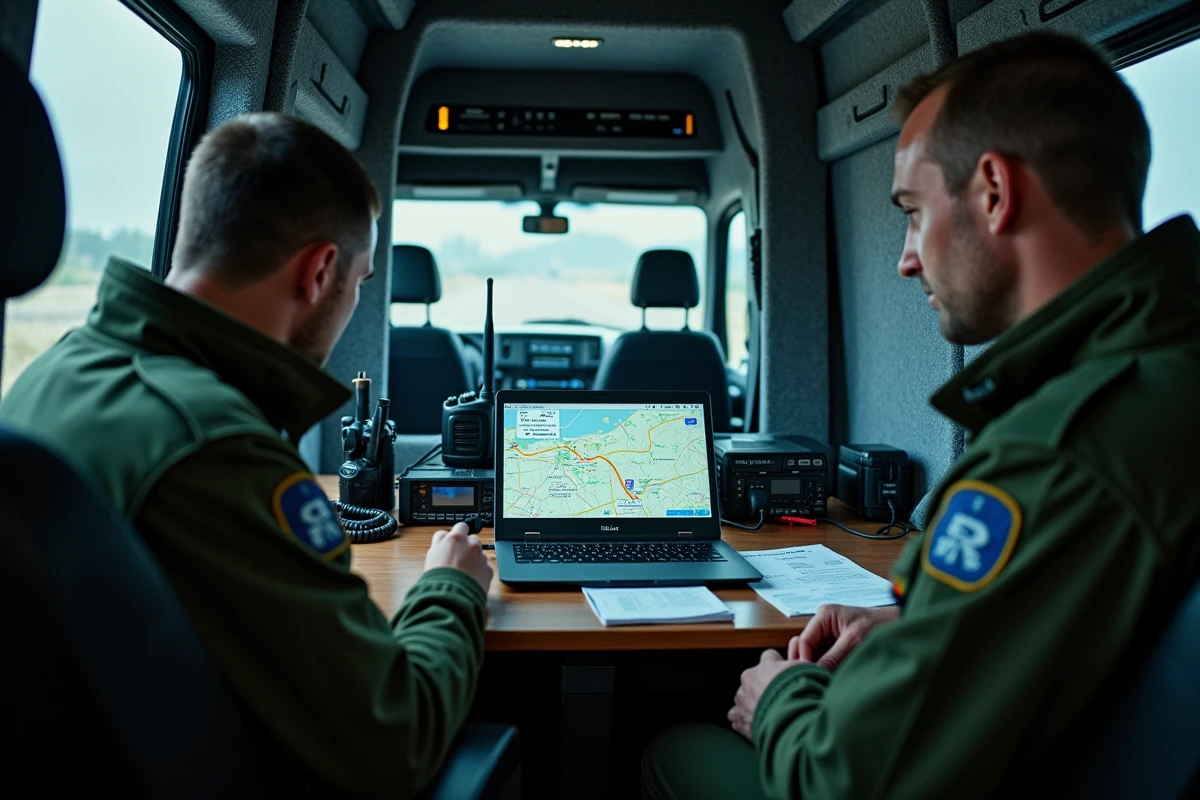
The historical method involves physically attaching a GPS tracker to the targeted vehicle. Judicial police officers carry out the installation, often at night, with written authorization from the competent magistrate. The device then transmits its position at regular intervals to a secure server that investigators access in real time.
This technique presents serious material constraints. The tracker operates on battery power, with variable autonomy depending on the frequency of transmission. The more frequently the device transmits, the more precise the surveillance, but the faster the battery drains.
Countermeasures have also evolved. GPS jammers, easily accessible online despite their prohibition for sale in France, can neutralize the satellite signal within several meters around the vehicle. This reality reduces the effectiveness of conventional trackers, especially when the vehicle is parked in a covered or underground location.
Requisitions from Manufacturers and Telematics Operators
The most significant evolution in recent years concerns the exploitation of geolocation data from connected cars. Almost all recent vehicles are equipped with a telematics device (emergency call eCall, connected services from the manufacturer, pay-per-mile insurance device). Each of these devices generates positional data.
Investigators can send judicial requisitions directly to car manufacturers, telecommunications operators, or technical service providers to obtain the real-time position of a vehicle or its travel history. This procedure is based on the same legal regime as the GPS tracker, as outlined in articles 230-32 and following of the Code of Criminal Procedure.
Difference Between Historical Data and Real-Time Tracking
Requisitions for already stored data (travel history) fall under a less stringent regime than real-time tracking. The prosecutor can order the communication of past data without resorting to the judge of freedoms and detention, provided that the offense justifies this measure.
Real-time tracking, on the other hand, imposes the same guarantees as the installation of a physical tracker: authorization from the magistrate, limited duration, proportionality control regarding the infringement of privacy.
Role of the Stolen Vehicle File and the LAPI System
Alongside judicial geolocation, law enforcement has automated detection tools. The LAPI system (Automated License Plate Recognition) equips police and gendarmerie vehicles as well as fixed points on certain roadways.
These cameras read license plates and compare them in real time with the stolen vehicle file (FVV) and the Schengen Information System (SIS). When a match is detected, an alert is transmitted to agents on the ground. This system does not constitute geolocation in the legal sense, as it does not continuously track the vehicle, but it allows for the detection of its passage at a specific point.
The conditions for using LAPI are governed by the internal security code. Data from unreported plates are deleted after a short period, while data corresponding to a sought vehicle are retained for the needs of the investigation.
Privacy Protection and GDPR Constraints
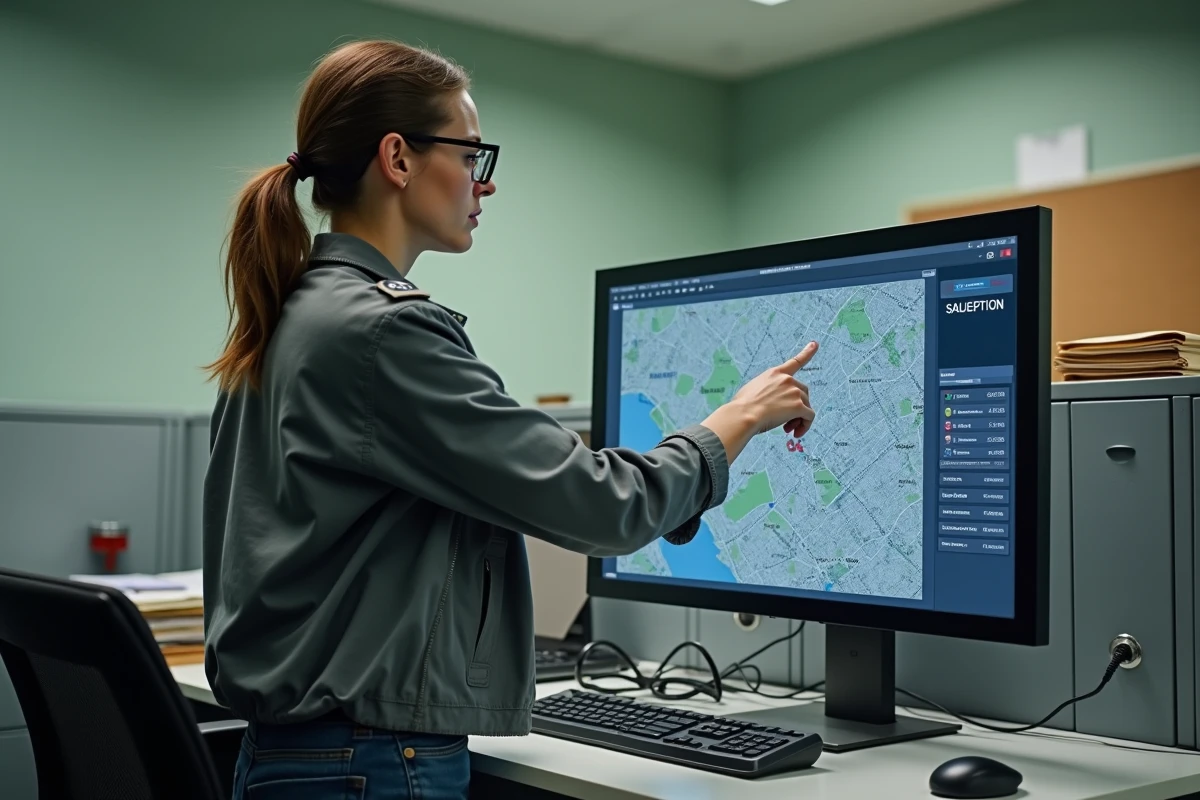
Each localization technique faces the requirements of the General Data Protection Regulation. Manufacturers regularly invoke GDPR to regulate, or even delay, the transmission of data to investigators. This administrative delay can prove decisive: after a few dozen hours, a stolen vehicle becomes much more difficult to locate.
Investigators must therefore juggle multiple channels:
- The physical GPS tracker, operational immediately but vulnerable to jammers and battery life constraints
- The requisition from the manufacturer or operator, richer in data but subject to variable response times
- The LAPI system, effective for spot detection but unable to provide continuous tracking
The combination of these tools gives law enforcement broad coverage, but none is sufficient in isolation. Time remains the most critical variable in recovering a vehicle, whether it involves theft or a more complex criminal case.
The French regime of judicial geolocation rests on a balance between the effectiveness of the investigation and respect for individual freedoms. The rise of connected vehicles opens new possibilities for investigators, but each data source remains subject to the authorization of a magistrate and the procedural guarantees of the Code of Criminal Procedure.