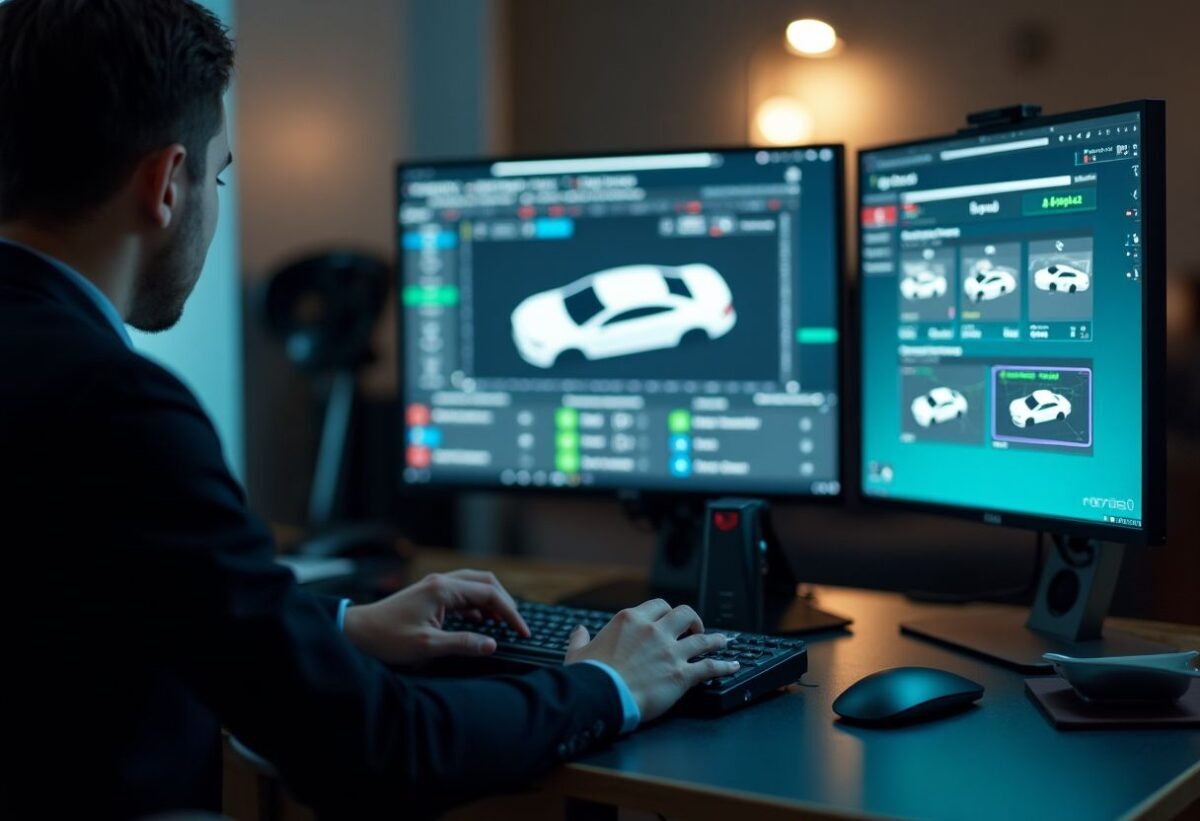
Obtaining a driver’s license is not just about passing a practical and theoretical test; another aspect, often overlooked but equally crucial, is the psychotechnical test. This test, far from being a mere formality, plays an essential role in assessing the mental abilities of driving candidates. While some individuals face it after administrative sanctions, others must undergo it during a specific license renewal. The path to obtaining or recovering a driver’s license is therefore fraught with challenges, and the psychotechnical test should not be taken lightly.
What are its specifics, objectives, and how can one best prepare for it?
What is a psychotechnical test for a driver’s license?
A psychotechnical test for a driver’s license is designed to evaluate the cognitive and psychomotor abilities of the candidate. It is not just a simple theoretical test, but a thorough assessment of the skills necessary to drive safely.
The test generally consists of several components:
- Reactivity: Measures the ability to react quickly and appropriately to unexpected situations.
- Coordination: Evaluation of the eye-hand coordination essential for driving maneuvers.
- Concentration: Tests the ability to remain focused and maintain a high level of alertness over an extended period.
- Visual perception: Analyzes the ability to correctly perceive and interpret crucial visual information for driving.
These elements are measured through various exercises and interactive computer games, providing a detailed overview of the candidate’s psychomotor abilities.
Objectives of the psychotechnical test
The main objective of the psychotechnical test is to ensure that the candidate possesses the necessary skills to drive safely. This evaluation can have a significant impact on the process of obtaining or recovering your license.
- Road safety: Assessing the mental abilities of drivers to reduce the risk of accidents.
- Prevention: Identifying potential deficits that could compromise safety on the roads.
- Support: Providing a diagnosis that can be used to recommend specific training or adjustments tailored to the driver.
Particular attention is given to prevention, as it allows for seizing opportunities for improvement before incidents occur.
When should one take a psychotechnical test?
Taking a psychotechnical test may be required in various scenarios, including when a driver’s license is suspended or revoked. This test is also sometimes necessary for renewing certain types of professional licenses.
Here are some common situations where a psychotechnical test is required:
- After a suspension of the license due to a serious offense.
- Following a revocation of the license by the authorities.
- When renewing licenses for professional drivers or seniors.
These situations highlight the importance of being prepared for any eventuality when it comes to driving a vehicle.
How to prepare for a psychotechnical test?
The psychotechnical test can be a source of anxiety, but good preparation can mitigate its effects. Preparation is not limited to theoretical knowledge; it also includes practical exercises that can improve the skills assessed during the test.
Here are some tips for approaching the test with more serenity:
- Concentration exercises: Practice concentration exercises to enhance alertness and mental focus.
- Simulations: Use simulation software that replicates the test conditions to become familiar with the types of exercises offered.
- Manage stress: Relaxation and stress management techniques to approach the test day calmly and confidently.
- Rest: Ensure restorative sleep the night before the test to be in the best possible condition.
Each candidate can benefit from specific advice based on their needs, which will improve their chances of success in the test.