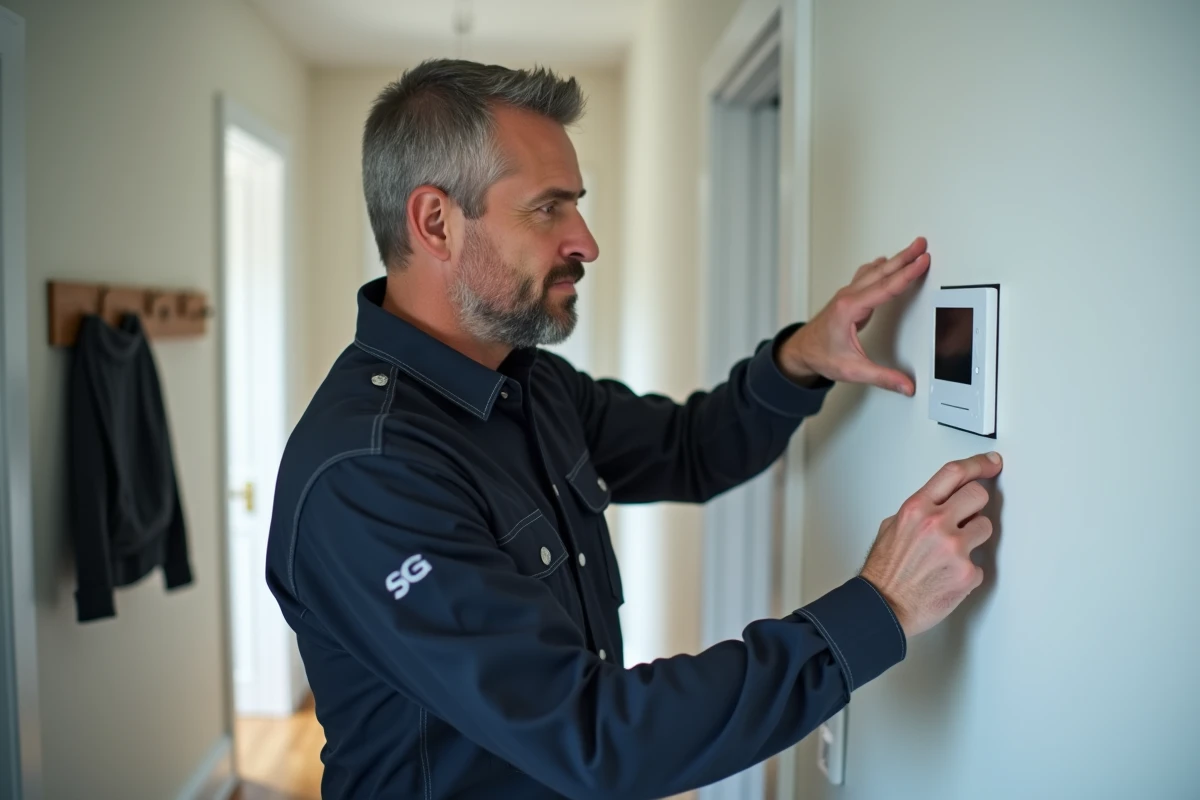
Your Verisure alarm is activated, the detectors are in place, and yet a burglar could neutralize the radio signal in just a few seconds with a small electronic device. Jamming of wireless alarm systems is a reality that increasingly affects households in France. Understanding how this attack works, and especially how to protect against it, allows you to stay one step ahead of current burglar techniques.
Infrared and laser jamming: an unknown vulnerability of Verisure alarms
Radio jamming (GSM, Wi-Fi) is the most documented attack vector against wireless alarms. Infrared laser jamming, which directly targets motion detectors, is also gaining ground.
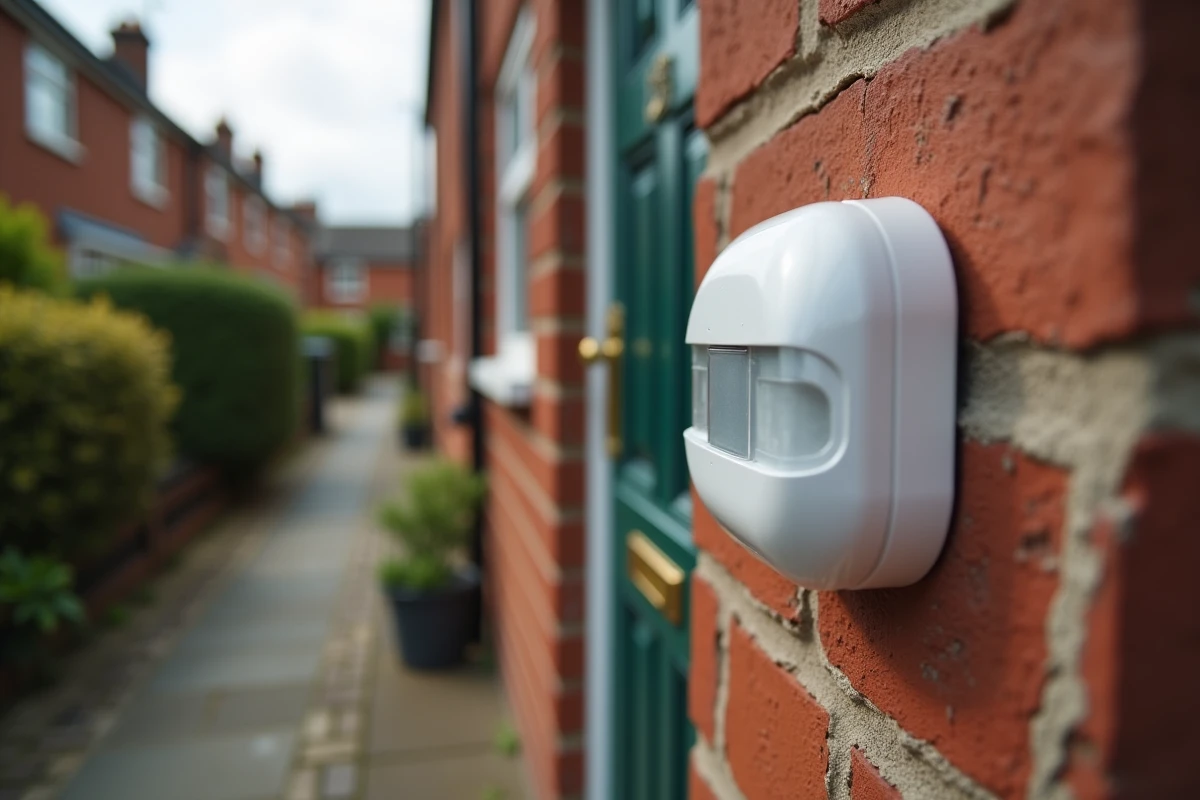
The principle is simple. An infrared beam directed at the PIR sensor (passive infrared detector) can saturate it or blind it. The detector no longer picks up heat variations related to human movement. The intruder passes without triggering the alert.
Recent independent tests have shown that Verisure systems have an increased vulnerability to infrared laser jamming compared to competitors like Ajax, which natively integrate complementary optical detection. Specifically, Ajax combines a PIR sensor with an optical sensor capable of visually verifying the presence of an intruder, making infrared jamming alone insufficient to neutralize the alarm.
Verisure does not offer this type of dual optical verification on its standard detectors. If you want to protect your Verisure alarm against jamming, you must first be aware of this limitation to compensate with other means.

Anti-jamming radio detection: what Verisure integrates and what is missing
Verisure uses a backup network called ATN (proprietary network) to maintain communication between the control panel and the monitoring center. When the GSM signal is jammed or cut off, this backup channel takes over.
Have you ever noticed that your phone loses signal in certain areas? A GSM jammer produces exactly this effect, but intentionally and locally. The Verisure control panel detects this loss of signal and switches to its alternative channel to alert the operators.
Protection perimeter of the ATN network
- Detection of GSM signal loss, which triggers an alert to the monitoring center
- Maintaining a secondary communication channel via the proprietary ATN network
- Sending a notification on the MyVerisure app to inform the user
This system works against classic radio jammers. But it does not cover infrared jamming or sophisticated multi-band attacks that target multiple frequencies simultaneously.
The new APSAD R31 P4 requirement
The APSAD R31 certification was strengthened in 2026 with a P4 level. This new tier requires an optional satellite backup channel for high-end residential installations. Standard Verisure systems meet the P3 level, not P4. This difference matters if you live in an isolated area where multi-band jamming could neutralize both GSM and the ATN network.
Verisure subscription and anti-jamming customization: the limits of the closed model
Why not simply add a wired detector or a third-party optical sensor to your Verisure installation? Because the system operates in a closed ecosystem.
Verisure does not allow the integration of third-party hardware into its control panel. Each component (detector, siren, camera) must be supplied and installed by Verisure. This approach ensures total compatibility and simplifies maintenance, but it limits your ability to adapt the system to new threats.
A concrete example: adding complementary wired detectors, physically connected to the control panel by cable, significantly reduces false positives related to radio jamming. But this modification involves stepping outside the framework of the Verisure subscription.
Threats are also evolving on the software side. AI-assisted jamming techniques are beginning to emerge. These attacks adapt their frequency in real-time to bypass traditional detection systems. In the face of this type of threat, a system locked by a monthly subscription and a closed hardware catalog poses a structural problem: the speed of adaptation depends on Verisure’s update schedule, not your needs.
Effectively strengthening the security of your Verisure alarm against jamming
Even within a closed ecosystem, several actions remain within your reach to harden your installation.
- Combine wireless and wired on main entry points (front door, sliding glass door, garage) by asking an independent installer to add wired opening detectors in addition, connected to a standalone local siren
- Install independent surveillance cameras outside the Verisure system, with local storage on SD card and alerts sent via a separate network (separate Wi-Fi or dedicated 4G)
- Add outdoor motion-detecting lighting, which operates without any radio connection and acts as the first physical deterrent
- Regularly check the proper functioning of the backup battery of the Verisure control panel, as a power outage combined with radio jamming constitutes the most common attack scenario
The goal is not to replace Verisure, but to create layers of security that are independent of each other. If the jammer neutralizes the radio signal, the local camera continues to record. If the infrared detector is blinded, the wired opening detector triggers.
Choosing a certified installer for the audit
A certified APSAD installer can conduct a vulnerability audit of your existing installation. They will test resistance to GSM jamming, check the range of the ATN network, and identify the blind spots of the detectors. This diagnosis generally costs less than a single month of monitoring subscription.
The increase in radio jamming attacks since early 2025 has led professionals to systematically recommend hybrid wired/wireless systems. A system that is exclusively wireless, even with monitoring, is no longer sufficient as the sole line of defense. Complementing your Verisure alarm with autonomous and physical devices remains the most reliable strategy against jamming techniques that are advancing faster than manufacturers’ updates.