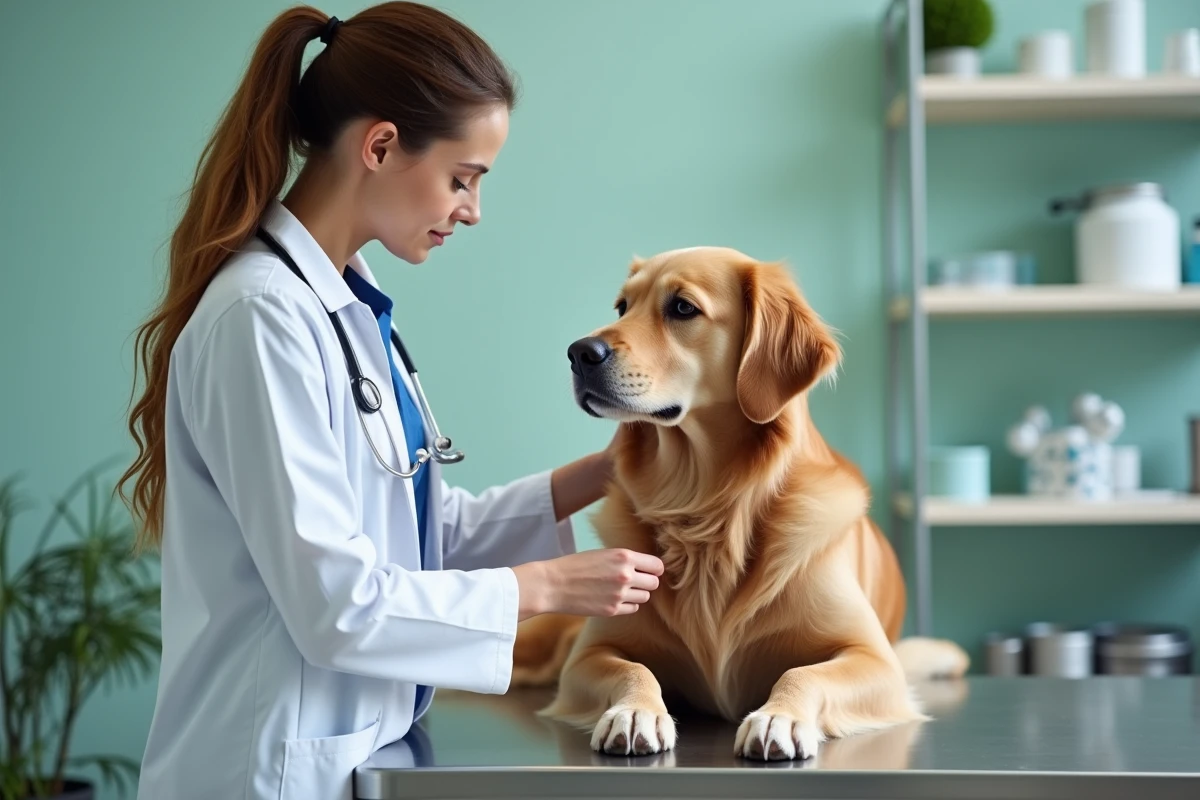
Strict pain management protocols are now required in certain veterinary clinics, where just ten years ago they were the exception. Today, every medical intervention comes with specific recommendations: enriching the animal’s environment, minimizing stress sources, even for routine procedures.
The daily life of professionals is changing rapidly: telemedicine, biosensors, new technologies—these advancements are no longer reserved for large facilities. Monitoring is intensifying to incorporate recent knowledge and meet the growing demand for animal welfare.
Animal welfare at the heart of concerns: current state and challenges
Animal welfare has become a major concern for families living with a dog, cat, or small pet. Animal care goes far beyond treating illnesses. Now, animal protection, stress management, and quality of living conditions are part of all discussions, from adoption to daily life with a companion animal.
Recent reports show a clear evolution: animal health and the quality of life for companion animals are gaining ground in the minds of owners. Many are seeking practical solutions: adjusting diets, preventing disorders, and benefiting from behavioral follow-ups. Requests for personalized advice, prevention protocols, and educational support are continuously increasing. Veterinarians are seeing their roles expand, combining care, prevention, and daily support.
This renewal of expectations is also reflected in the rapid adaptation of professionals. Veterinarians play a pivotal role, leveraging their expertise to enhance animal protection and support families. Specialized platforms such as veterinary health trends on Ado PCJE facilitate access to up-to-date recommendations, concrete feedback, and advice tailored to each species and household.
Dialogue is becoming denser between veterinarians, associations, and owners. Knowledge is circulating, and monitoring tools are improving. It is now impossible to think of animal health in any way other than a holistic approach, where everyone participates in improving the lives and futures of companion animals.
What innovations are transforming veterinary health today?
It is impossible to ignore the rise of pet tech in the animal health sector. Connected devices, artificial intelligence: these technological advancements are making their way into practices and disrupting traditional methods. Today, smart collars and automatic feeders continuously monitor the activity, diet, and temperature of our companions. The data collected allows for individual monitoring, capable of alerting well before visible symptoms appear.
In the field of diagnosis, the arrival of artificial intelligence is changing the game. It allows for the analysis of medical images with a fresh perspective: on an X-ray or ultrasound, the machine detects anomalies that may be invisible to the naked eye. As a result, owners receive answers faster, and treatments begin earlier. In France and elsewhere in Europe, these tools are gradually being integrated into routine practice. They facilitate both monitoring and early detection of diseases.
The machine does not replace the human touch. It complements it. Better equipped, veterinarians free up time for listening, advising, and adjusting veterinary care. With these advancements, they can offer truly tailored solutions, adapted to each animal and each family, while strengthening the trust that binds them to the owners.

New skills and adaptation of professionals in response to sector evolution
Faced with a constantly evolving animal health landscape, veterinarians have no choice but to broaden their skills. Veterinary training is opening up to new modules: mastering pet tech, prevention, and managing the mental health of teams and owners. Clinics are rethinking their organizations, anticipating needs, nurturing the quality of human relationships, and placing animal welfare at the center of every decision.
In this context, digital proficiency is becoming essential. Veterinarians now manage data, maintain computerized records, and handle connected solutions. Often assisted by specialized aides, they offer personalized animal care, designed according to species, living conditions, and the specifics of each family.
Beyond the clinic, support continues. To illustrate this evolution, here are some follow-up modalities being established between veterinarians and owners:
- Remote advice to quickly address common questions
- Telemedicine for follow-up consultations or minor emergencies
- Online prevention programs for continuous home monitoring
This fundamental movement is accompanied by increased vigilance regarding professional satisfaction and the prevention of burnout. Animal protection now goes hand in hand with the protection of those who care for them, in accordance with ethical principles and standards set by the World Organisation for Animal Health.
To move forward in this direction, continuous training, listening skills, and adaptability become the pillars of contemporary veterinary medicine, focused on quality and trust. The sector is inventing new benchmarks so that animal health remains a shared, demanding, and profoundly human adventure.