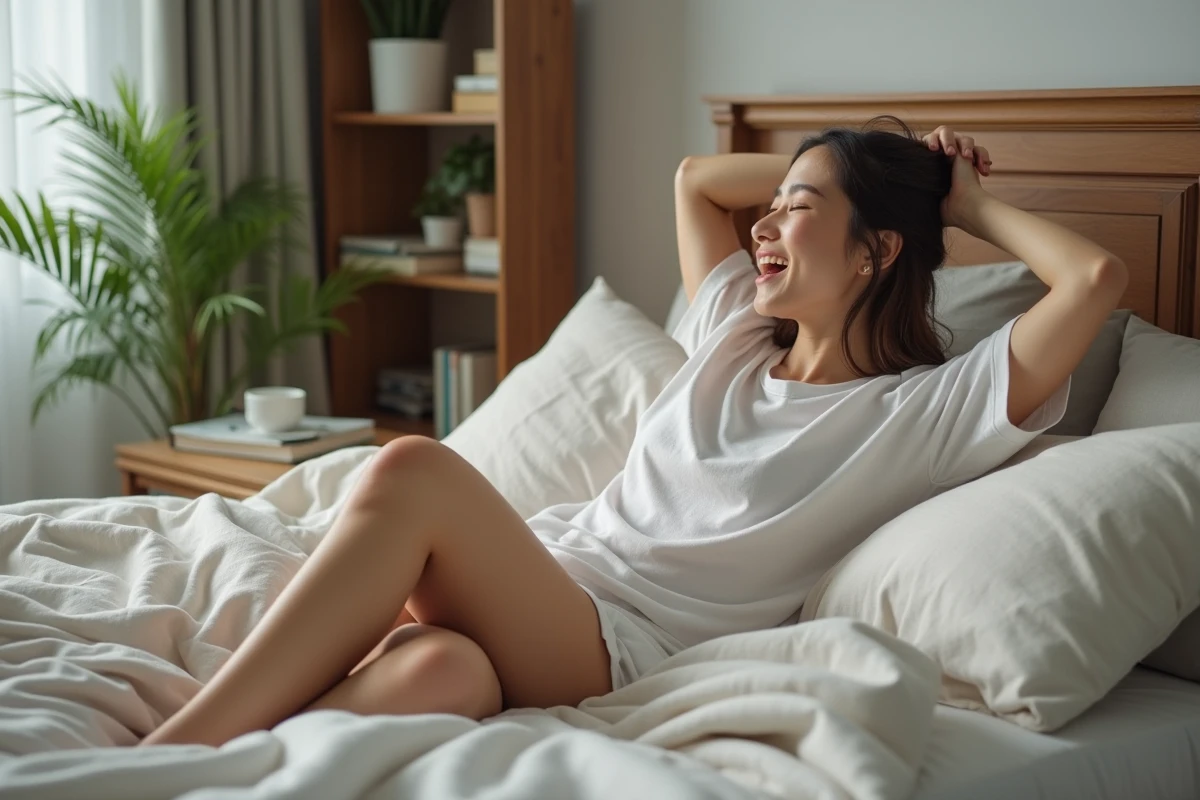
The absence of underwear during sleep is not just a simple choice of comfort. Several medical studies link this habit to measurable benefits on the quality of rest and the body’s thermal balance. Yet, a majority continue to opt for pajamas or underwear, either out of habit or fear of potential discomfort.
Some dermatological conditions, as well as issues related to night sweating, are generating increasing interest in this often-overlooked practice. Recommendations are evolving, and science is refining its advice on the actual influence of nightwear on physiological well-being.
Why the choice to sleep without underwear influences sleep quality
When night falls, the body relaxes, freed from the constraints of the day. Abandoning underwear at bedtime allows the skin to breathe more freely, especially in intimate areas. This absence of a textile barrier facilitates the natural regulation of body temperature, a key role performed by the hypothalamus. The result? Falling asleep happens faster, and unexpected awakenings caused by heat or humidity become rarer. Conversely, pajamas and underwear retain heat and sweat, sometimes exacerbating irritations and itching.
The benefits of sleeping without underwear are also found in the hormonal sphere. A cooler room and a less covered body amplify the production of melatonin, the hormone that regulates sleep. The drop in body temperature, triggered by the absence of clothing, stimulates this natural mechanism. Moreover, direct contact with the skin promotes the release of oxytocin, the hormone of bonding and well-being. At the same time, cortisol, a marker of stress, tends to decrease more easily, releasing the pressure accumulated during the day.
This choice is not limited to a question of comfort: it impacts the quality of rest, the state of mind upon waking, self-esteem, and sometimes even intimacy within the couple. Some doctors also mention an improvement in skin health, which is less exposed to moisture and constant friction. Rethinking how we sleep is also about reclaiming the night as a space of freedom and self-awareness.
Advantages and limitations: what science says about sleeping naked
Far from being a mere detail, the absence of underwear in bed captures the attention of research. Studies are clear: the skin breathes better, humidity decreases, friction fades, thus limiting the risk of irritations or fungal infections. For women, sleeping without panties helps maintain the balance of vaginal flora, slowing the proliferation of fungi and the occurrence of candidiasis. For men, the temperature of the testicles remains lower, which can improve sperm quality and support reproductive health.
The choice of fabric remains crucial. While cotton absorbs moisture, it can, over time, exacerbate vaginal dryness. Synthetic materials, such as lycra or some very tight models, retain heat and sweat, increasing the risk of minor skin discomforts. In contrast, natural materials like silk allow air circulation and limit maceration.
Another observation: sleeping naked could help limit excess abdominal fat by promoting more effective nocturnal thermoregulation. However, the choice remains personal. Sensitivity to cold, living conditions not conducive to intimacy, long-standing habits—everyone adjusts according to their needs. What stands out is that tight or synthetic underwear often increases the risks of irritation or skin imbalance. The balance lies in seeking a middle ground between hygiene, comfort, and bodily sensation.
Making the transition smoothly: practical tips for better sleep without underwear
Favor a gradual transition
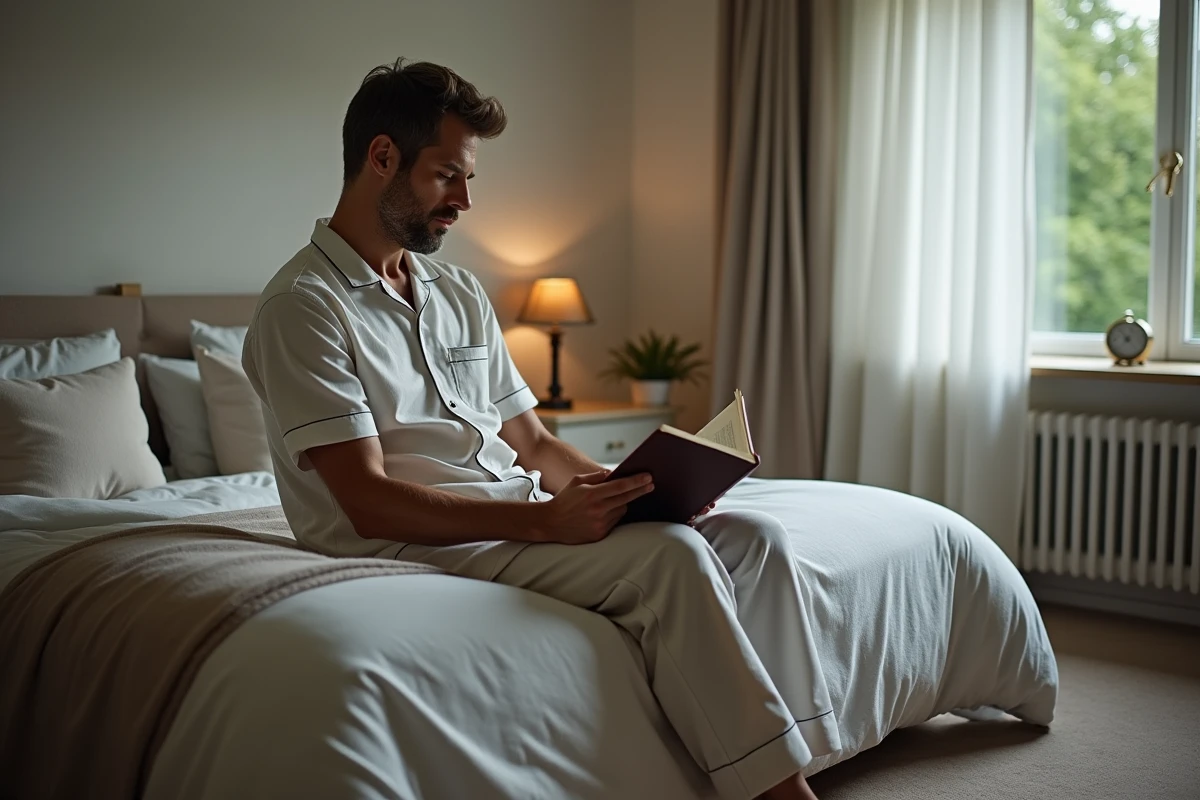
Changing nighttime habits requires a bit of flexibility. To test the idea of sleeping without underwear, the simplest approach is to start by setting aside the tightest clothing. Try a loose nightgown, a nightshirt, or flowy shorts. You may be surprised by the feeling of freedom, or sometimes a slight discomfort at first. Let your body discover these new sensations, especially if you have long favored thick or fitted pajamas.
Care for the sleep environment
Some simple precautions make the experience more enjoyable:
- Ensure the cleanliness of the sheets: a weekly change is necessary, more often if sweating is significant.
- Opt for natural materials like cotton or silk for bed linens. These fabrics breathe better and limit the feeling of dampness, promoting restorative sleep.
- If you fear getting cold, prefer adding a light blanket rather than putting on close-fitting clothes.
Listen to the body’s signals
The coolness of the night helps with optimal body temperature regulation, facilitating quick falling asleep. However, if discomfort persists—chills, unease, lack of intimacy—there’s no need to force it. The essential thing is to respect your own needs and rhythm, as the benefits of sleeping without underwear are appreciated over time and through self-awareness.
Sleeping without pajamas or panties is neither a rule nor a performance. One can try, adapt, or return to old habits. Some recall the anecdote of Marilyn Monroe and her Chanel N°5, while others rely on the simplicity of a light sheet. The key? Granting your skin and mind the freedom they need, without imposing unnecessary dogma or constraint.