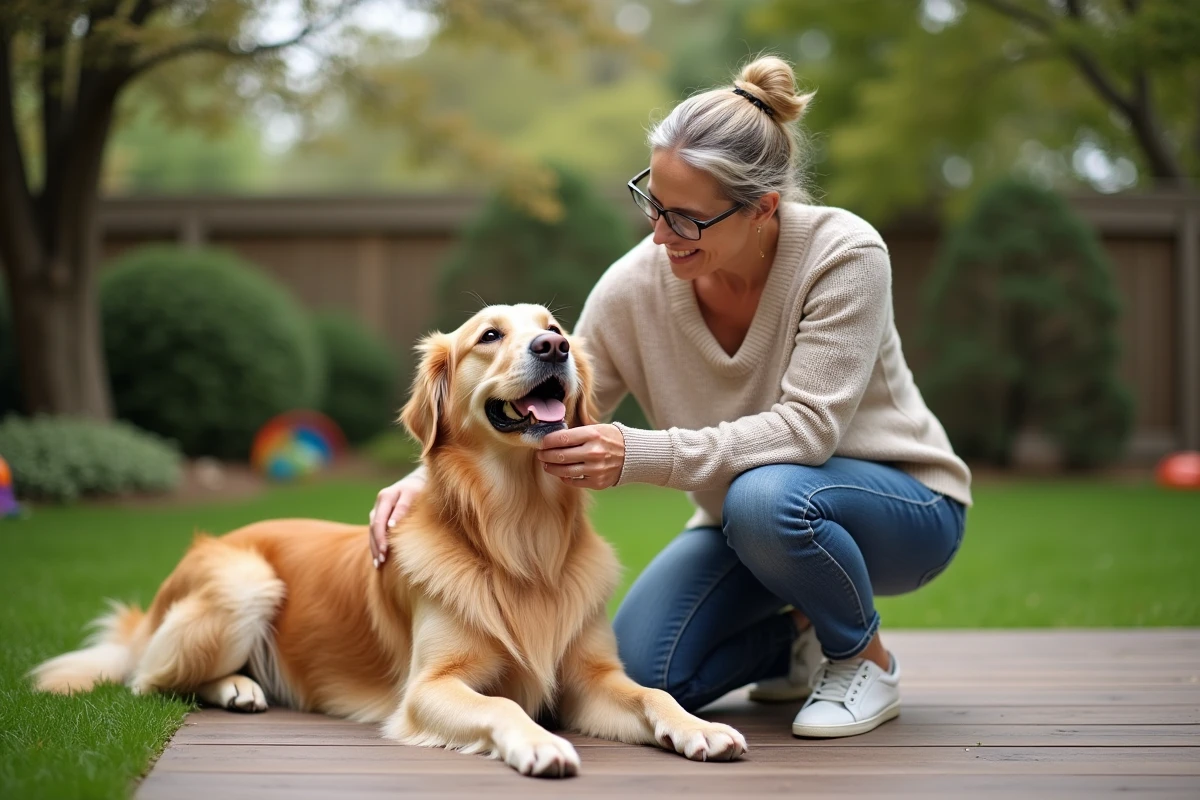
A raw figure: according to the latest FACCO survey, France has over 80 million pets. However, behind this staggering number lie sometimes inappropriate habits, stubborn misconceptions, and specific needs that are too often ignored.
The mere fact that an animal shows no obvious signs of suffering is not enough to guarantee its good health. Many discreet signals, whether physical or behavioral, go unnoticed and delay appropriate intervention. Veterinary recommendations change, practices must follow suit, lest they become entrenched in routine while science advances.
Understanding your pet’s essential needs to ensure their well-being
Living with a pet means learning to read a subtle language. Dog, cat, or other small animals, each has its own way of demanding what is vital to them. Providing a proper diet, constant access to clean water, and a secure space are the pillars of daily well-being. But each species, each breed, each individual has its own set of particularities: the ration, meal times, and the arrangement of bowls cannot be managed blindly.
It all starts with careful observation: a cat avoiding its litter box, a dog being less playful, a change in posture… These sometimes subtle details often reveal much more than one might think. Anticipating means learning to recognize the rhythms specific to each animal, adjusting the rules of life, and reinforcing trust. A dog needs to expend energy every day; a cat prefers to observe the world from a perch, away from the hustle and bustle of the ground. Each companion has its routine, its markers, its requirements.
Here are the concrete basics to cover fundamental needs:
- Proper diet: choose kibble or wet food specifically formulated for your pet’s species, age, and activity level.
- Fresh water: replace the water at least twice a day, and ensure the bowls are kept spotless.
- Stable living rules: establish routines, create dedicated areas, respect your companion’s natural rhythm.
To find updated advice, websites like https://www.espace-animaux.net/ gather sharp recommendations and news on animal health and well-being. Taking the time to educate oneself, to adjust practices, is to offer each animal the consideration it deserves, without falling into generalization.
What habits to adopt daily for optimal health?
An animal’s health is not limited to an annual check-up. It is built day by day, through constant attention. The slightest change in weight, the quality of stools or urine, the condition of the coat, the energy level: everything counts and deserves to be monitored. This daily vigilance is your responsibility, not just the veterinarian’s.
Simple gestures make a difference: brushing the coat, inspecting the ears, cleaning the eyes, tracking the presence of parasites. Hygiene, far from being a luxury, protects your pets from avoidable ailments and ensures them lasting comfort. A clean, calm, and airy space contributes to the rest and safety of the cat or dog.
Scheduling appointments for vaccinations and considering spaying/neutering are acts of responsibility. These steps prevent the spread of diseases and extend life expectancy. Don’t let a minor injury or anomaly linger: regular veterinary follow-up remains an asset for anticipating problems, refining advice, and adapting care to each animal’s evolution.
It is also essential to focus on physical and mental activity, tailored to each species. Games, walks, rest periods: it is these small repeated rituals that forge the health and balance of your companions. Through attentive gestures, the home becomes a place where the animal feels secure, protected, and stimulated.
Practical advice to strengthen the bond and comfort of your companions
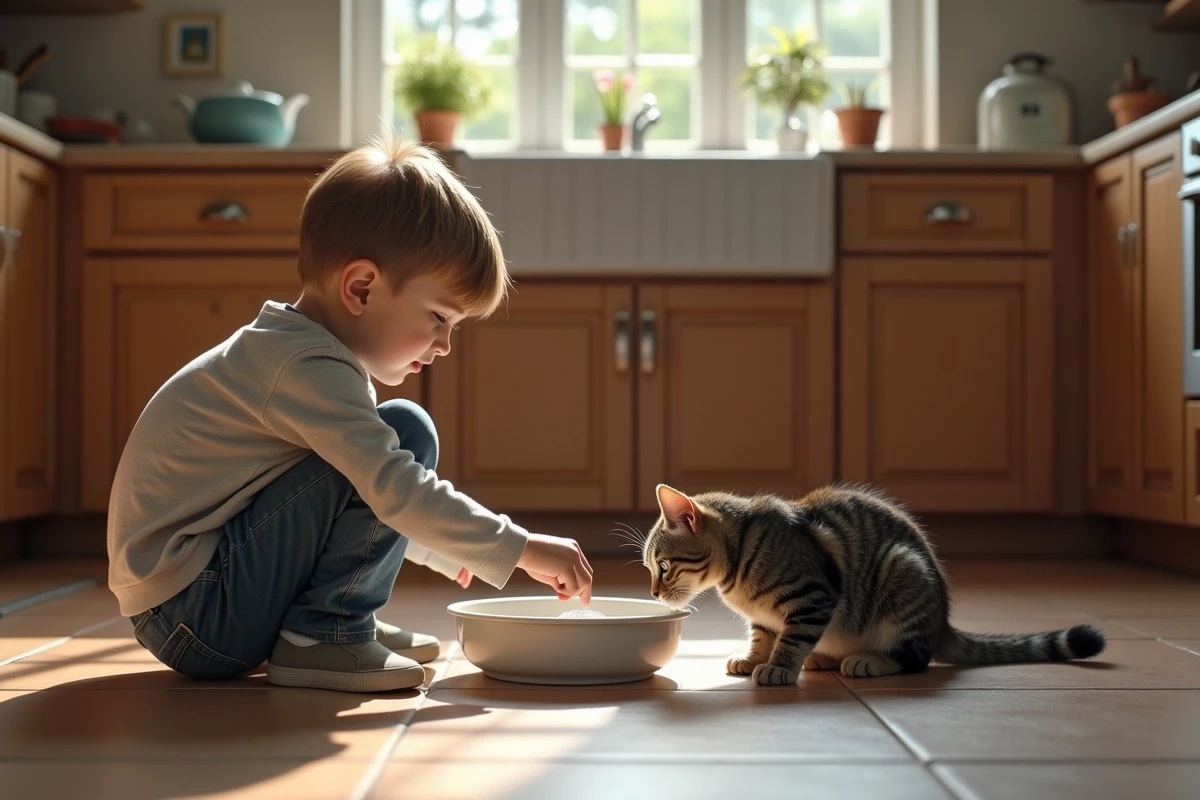
The relationship with a pet flourishes in consistency and respect. Providing a reassuring environment reduces stress and anxiety, two silent enemies of well-being in both cats and dogs. The ideal: a soft bed, clearly defined play areas, familiar objects. Each species has its preferences: cats love to take to heights, while dogs seek closeness to humans.
Daily play not only serves to occupy the animal: it combats boredom and prevents psychological distress. Vary the stimuli: suitable toys, hiding spots, obstacle courses. Walks add rhythm to a dog’s day and strengthen the bond of attachment. For indoor cats, cat trees, scratching posts, or secure shelves promote their development.
Establish a climate of trust with gentle gestures, never resorting to harshness. An animal that feels safe develops a strong relationship with its owner. Practical advice for animal well-being also includes regular cleaning of living spaces, care for bowls, and vigilance towards any unusual behavior.
Here are some concrete levers to support the balance of your companions:
- Regularly offer new toys to stimulate intelligence and avoid boredom.
- Allow each animal to respect its own resting rhythm, without forcing interaction.
- In case of a difficult situation or abandonment, contact an animal protection association for appropriate help.
French law protects domestic animals, and each owner bears the responsibility for their well-being. Ultimately, the happiness shared with an animal comes down to the sum of these discreet yet decisive attentions. Because every gesture counts, and every attentive glance weaves a unique bond, day after day.