What is bioethanol? The fuel used as a substitute for gasoline for vehicles used for road transport is bioethanol. Bioethanol is produced through the fermentation of sugars and subsequent distillation, with the most widely used products derived from crops such as wheat, corn, sugarcane, and sugar beet.
For the production of bioethanol, specific crops have been developed (corn, sorghum, barley, chard, and sugarcane). In addition to these, the following are used:
- Agricultural and forestry crop residues, straw waste, willows and trees, sawdust, grass
- Temporary and occasional agricultural surpluses.
- Processing residues from agrarian and agri-food industries.
- Municipal waste.
Is bioethanol eco-friendly?
The answer is: It is eco-friendly
Let’s conduct a product analysis, a simple analysis:
It is of plant origin and therefore does not contribute to the emission of carbon dioxide into the atmosphere, contains no sulfur. It contains oxygen in its molecule, allowing for a significant reduction in carbon oxide emissions and chemical compounds. During combustion, the harmful substances typical of combustion from fossil fuels are not released; indeed, during combustion, it produces carbon dioxide and water, so if your question is: do bioethanol fireplaces stink, the answer is no. It is completely biodegradable.
Another advantage over fossil fuels is the absence of greenhouse gas emissions.
Bioethanol is a colorless, transparent liquid, biodegradable, low toxicity, and causes little environmental pollution if spilled.
The fireplace and bioethanol: how to use it
Bioethanol has a differentiated use; while initially, the goal was to find an environmentally friendly fuel for vehicles, today its use has expanded to residential use also due to its high calorific power.
The advantages it offers in the use of the fireplace are considerable
- Bioethanol is biodegradable, and carbon monoxide emissions are practically negligible.
- Absence of annoying smoke and no bad odor in the house.
- No modifications to the wall. Installs without a flue.
- No connection to the mains.
- Convenient fuel for transport. Bioethanol is easily transportable due to its liquid form.
- Maintenance. Bioethanol does not produce ash; therefore, maintenance of the biofireplace is minimal.
- Heating speed. The heating power of the bioethanol fireplace can heat an area of 40 or 50 square meters in a short time, increasing the temperature by 1 degree each time!
- Aesthetic. The fireplaces on the market are designed and created to add a touch of class to your home.
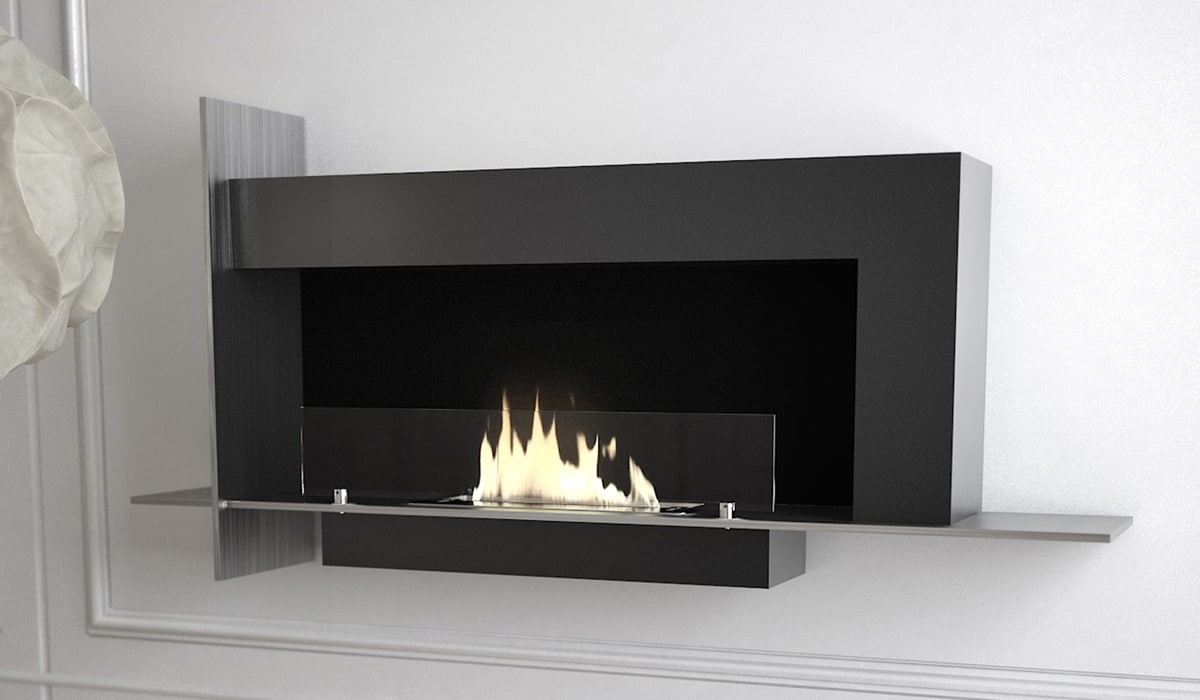
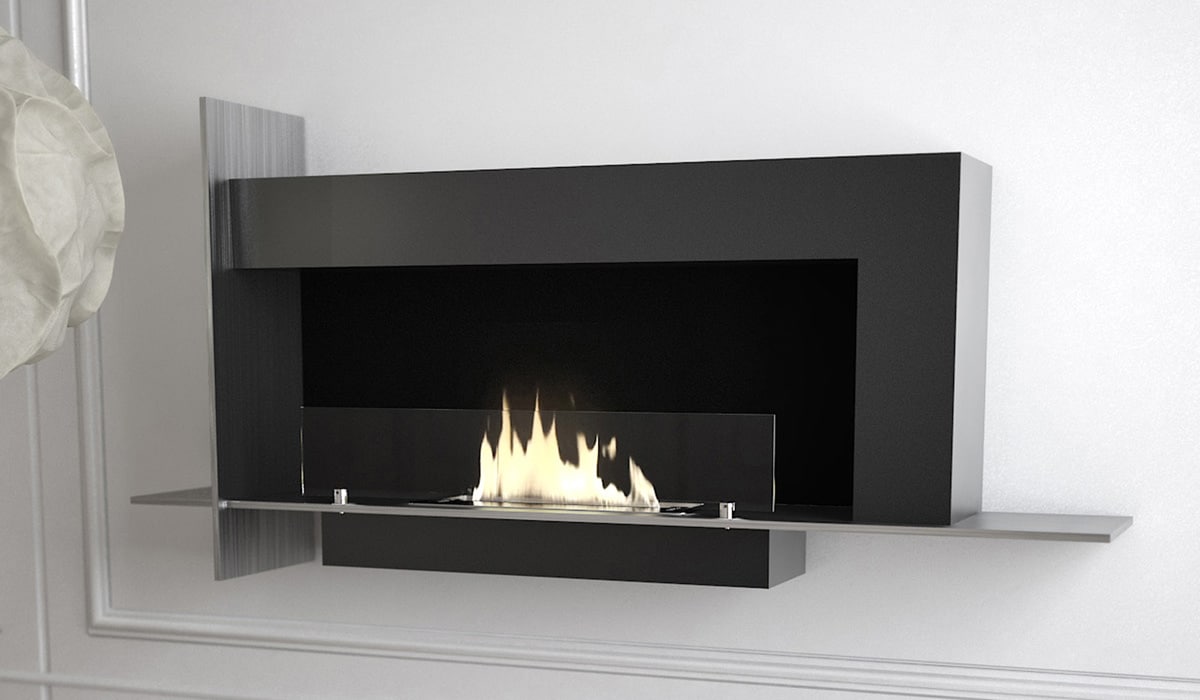
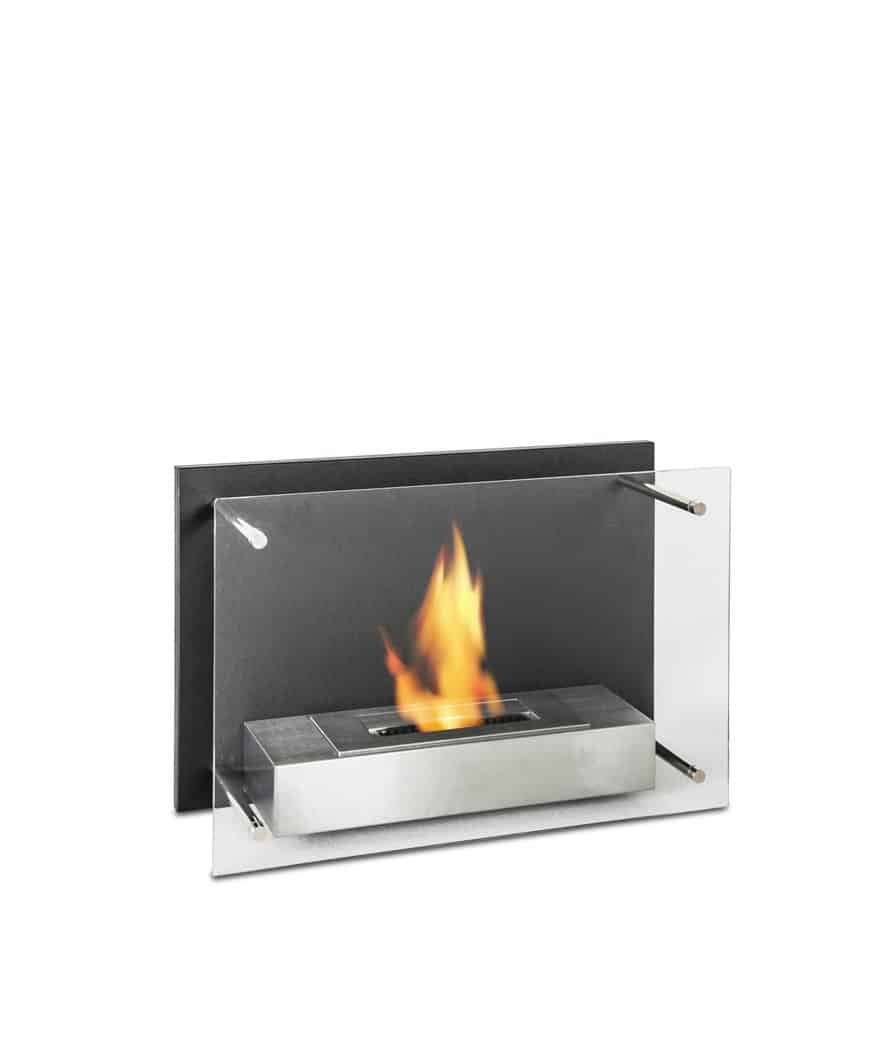
The bioethanol fireplace has all the advantages that make it an interesting purchase, with no installation constraints due to the absence of a chimney, eye-catching design with fireplaces that can be integrated into furniture, and also bioethanol fireplaces are safe thanks to integrated systems.
Advantages of the bioethanol fireplace
As mentioned, the bioethanol fireplace without a chimney adds an additional advantage by eliminating heat loss through smoke leaks; the heat stays entirely in the room. When asked how bioethanol fireplaces perform, I can tell you that our customers are all satisfied and praise the stability of the flame and the safety of the product, beyond the beauty of the product itself.
Bioethanol fireplaces have all the advantages that make them an interesting purchase, no installation constraints due to the absence of a chimney, an attractive design with furniture structures, and the possibility of inserting just the burner into the furniture.
The advice we give is to consider the bioethanol fireplace as an aid for heating the home and not as a substitute; all the added values like an attractive design and modern lines lead to a reduction in the burner and therefore in heating power.
Well, now that you have more information and awareness, you can choose and purchase your bioethanol fireplace online safely, bioethanol fireplaces at the best price.
Tag : Where to buy Bioethanol?